
Any manufacturer can say its product is more resistant. The useful question for procurement is: how was it measured, and under what conditions?
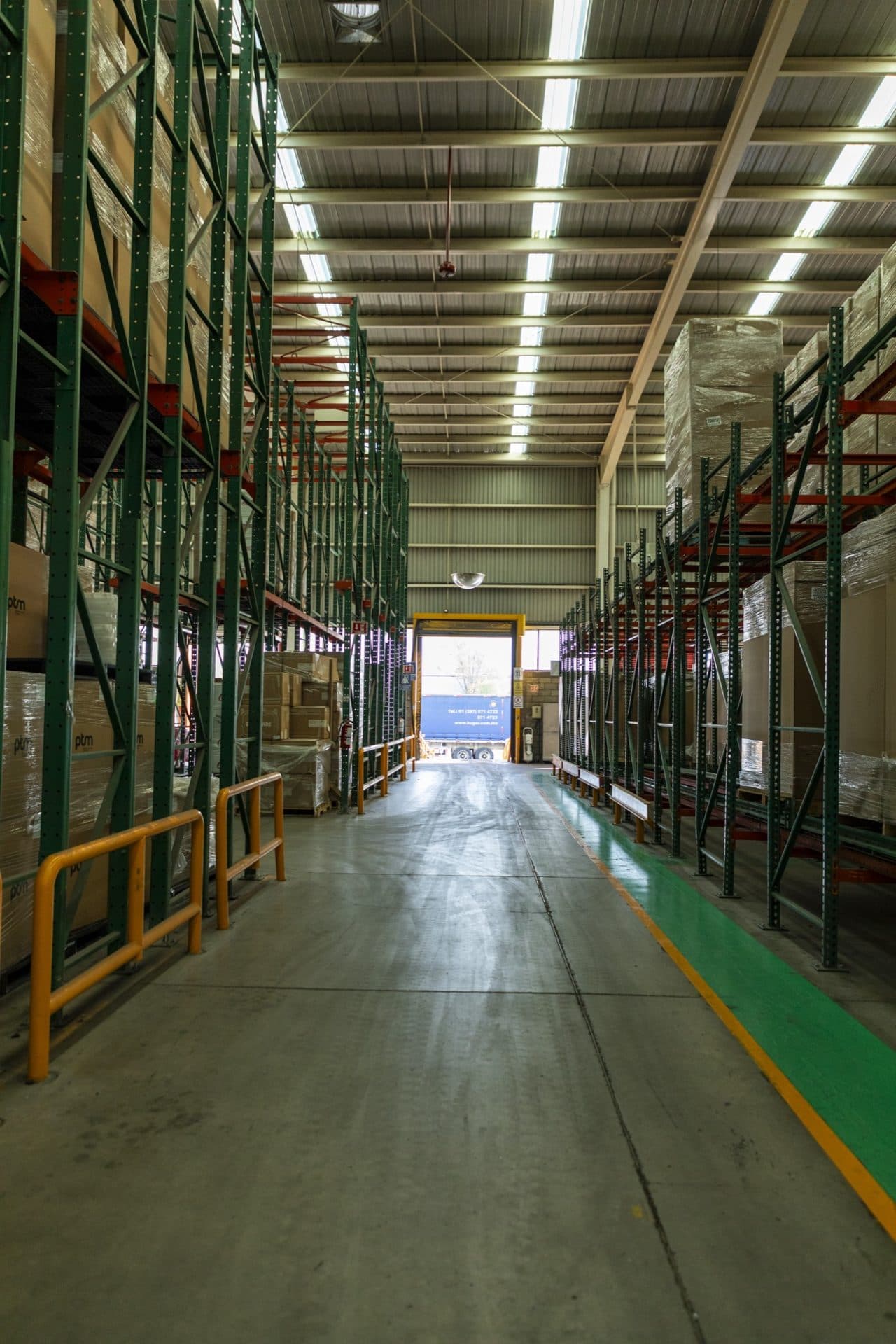
PTM tracked its pallets inside the real operation of a large-scale bottler: distribution and return cycles over the service life of the asset, not a one-off strength test. In that internal study, PTM pallets reached 1,000 life-cycle trips.
To put the figure in context: a typical wooden pallet withstands between 10 and 30 trips; a standard plastic pallet from competitors can exceed 100. The difference against wood is not marginal, it is an order of magnitude, and there is a clear margin against standard plastic as well.
What matters about the figure is not only the number but its origin: real operation, real cycles of a distribution chain, not an isolated test bench. It is operational evidence, not marketing material.
That durability has a direct consequence for sustainability: fewer replacements mean less material purchased and less carbon emitted per delivery. In a returnable asset, durability and sustainability are the same argument.